


 All Products
Categories
- Flip Flops(Electronics)(27)





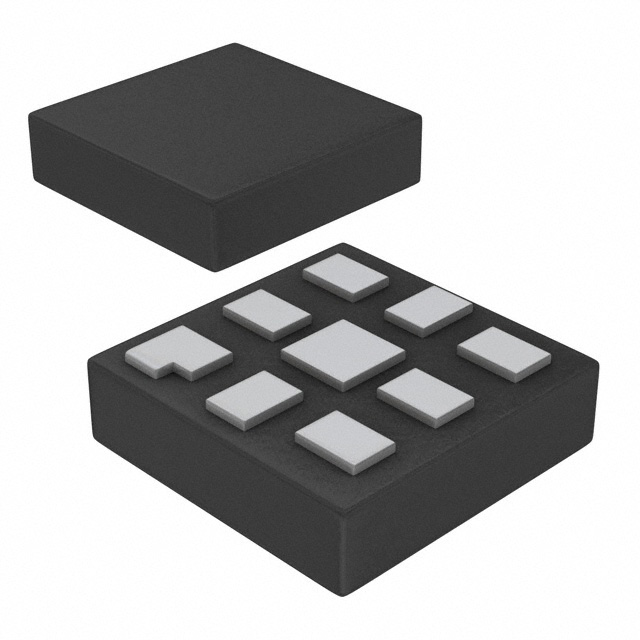
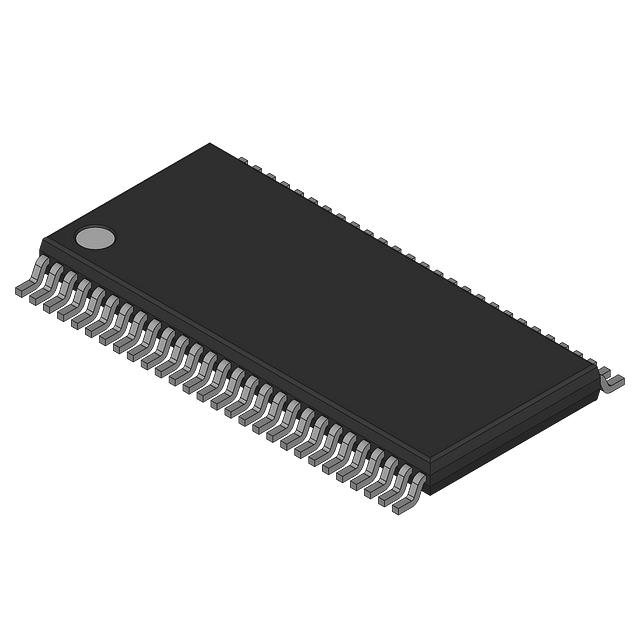
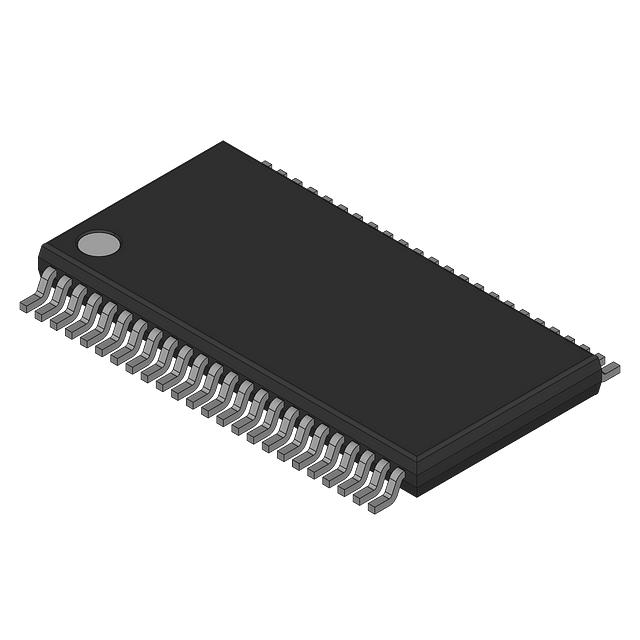
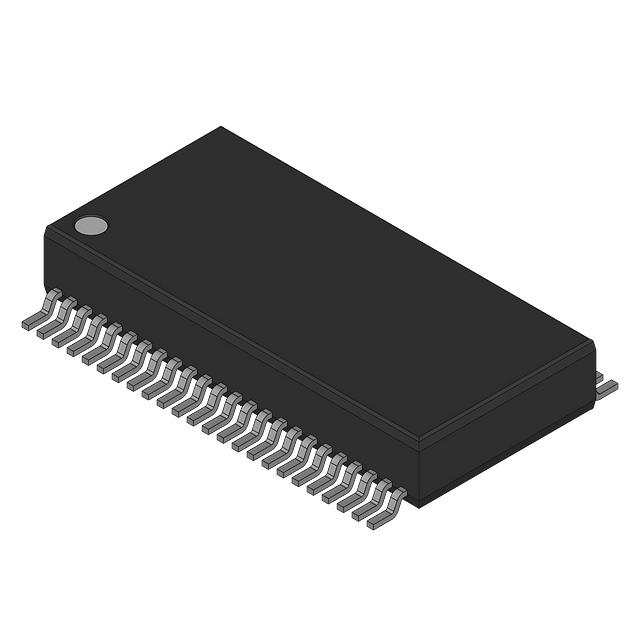

- 1
- 2
Description of Flip Flops
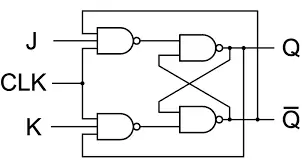
Flip-flops are elementary digital memory devices capable of storing a single logic state or "bit" of information. They have at least two inputs; one or more to communicate the data to be stored and another to indicate the point in time to store it. Different flip-flop types such as D (delay), SR (Set-Reset), and JK respond differently to the signals presented to their inputs and can be used to implement different logical functions. They differ from latches in that they are edge sensitive devices, whose retained logic state changes only at the moment a valid clock signal is received.
Flip-Flops (Electronics)
Flip-flops are basic building blocks in digital electronics used for storing binary data. They are types of bistable multivibrators, meaning they have two stable states and can hold a value until directed to change. Flip-flops are fundamental in memory storage, data transfer, and digital logic circuits.
Types of Flip-Flops
- SR (Set-Reset) Flip-Flop:Function: Has two inputs, Set (S) and Reset (R), and two outputs, Q and Q' (Q not). Setting the input S to high will set the output Q to high, while setting R to high will reset Q to low.Usage: Used for simple data storage and in cases where you need to manually set or reset the state.
- D (Data or Delay) Flip-Flop:Function: Has a single data input (D) and a clock input. The value at the D input is transferred to the output (Q) on the clock's edge (rising or falling).Usage: Commonly used for data storage, buffering, and timing applications due to its ability to latch the data.
- JK Flip-Flop:Function: A more versatile flip-flop that has two inputs, J and K, and a clock input. It can toggle between states depending on the values of J and K.Usage: Used in counters and shift registers where the ability to toggle states is needed.
- T (Toggle) Flip-Flop:Function: Has a single input (T) and toggles its state (changes from 0 to 1 or 1 to 0) on each clock pulse if T is high.Usage: Used in counters and frequency dividers due to its toggling capability.
Applications of Flip-Flops
- Data Storage: Flip-flops are used in registers to store bits of data temporarily in memory devices.
- Counters: They are used in digital counters to keep track of the number of events or clock pulses.
- Shift Registers: Flip-flops are used in shift registers to shift data through a series of stages.
- Frequency Dividers: In circuits where the frequency of an input signal needs to be divided, flip-flops can be used to achieve this.
- State Machines: Flip-flops are used in finite state machines to hold the current state and determine the next state based on input conditions.
Basic Operation
- Clock Edge: Flip-flops are typically triggered by a clock signal. The data or state of the flip-flop changes on the rising or falling edge of the clock pulse, depending on the type.
- Setup and Hold Times: Flip-flops have setup and hold time requirements. The setup time is the period before the clock edge when the input must be stable, and the hold time is the period after the clock edge during which the input must remain stable.
Summary
Flip-flops are essential components in digital electronics for storing and managing binary data. By changing their state based on clock signals and inputs, they play a crucial role in a wide range of digital circuits, from memory devices to complex state machines.
4o mini