


 All Products
Categories
- Photoelectric, Industrial(513)





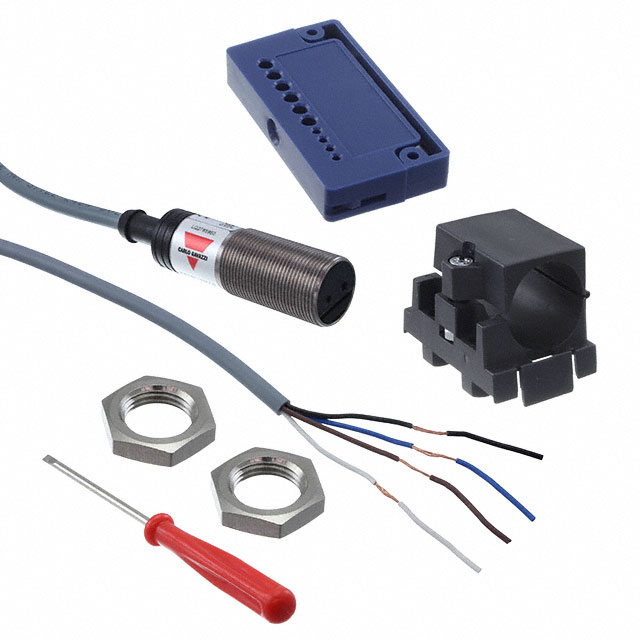
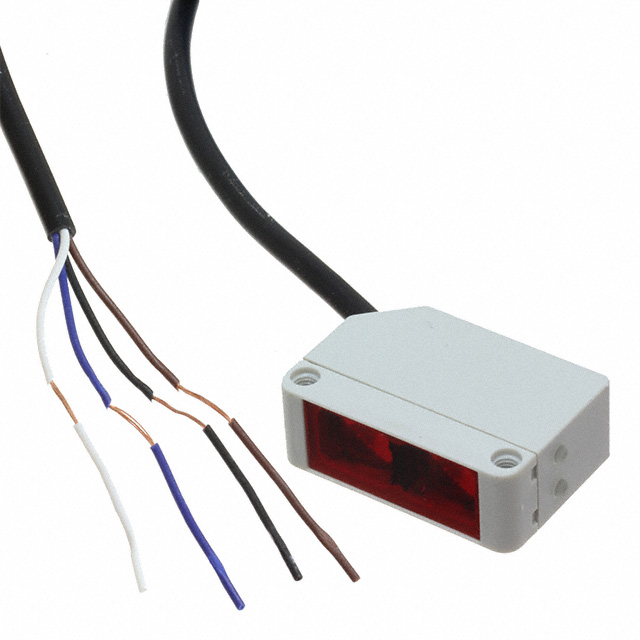
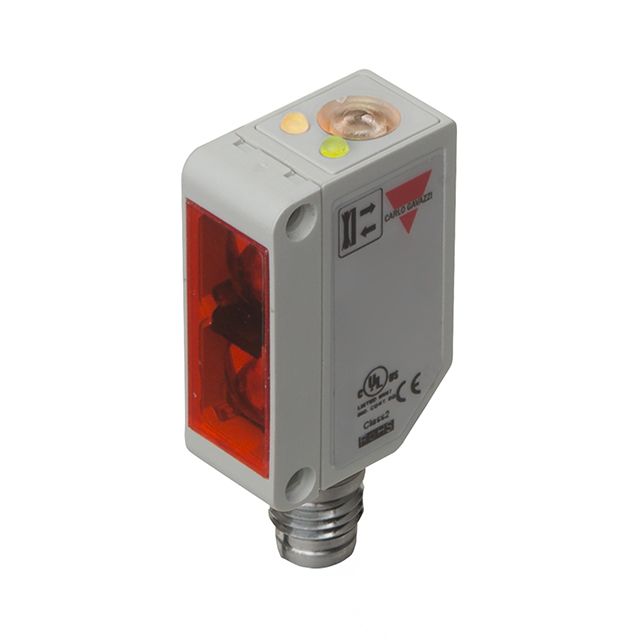

- 1
- 2
- 3
- 4
- 5
- 6
- 26
Introduction of Industrial photoelectric sensors
Industrial photoelectric sensors transmit fixed wavelengths of light to determine the distance, absence, or presence of an object by ignoring ambient light and detecting changes in the transmitted light returning to its receiver. The sensors are housed in rugged cases ideal for industrial environments. Sensing methods include cross-beam, through-beam, diffused, reflective, retroreflective, transmissive, proximity, distance and line focus. The sensors are further differentiated by light source color and wavelength, sensing distance, ingress protection and output configuration.
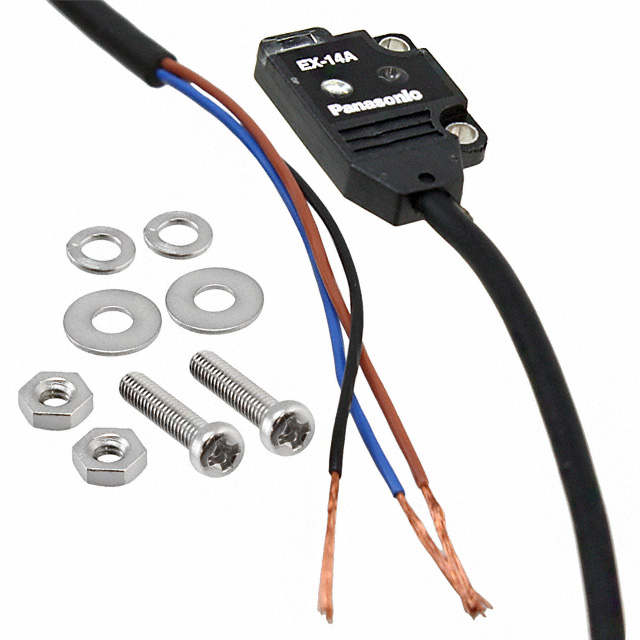
1. How do photoelectric sensors work?
Photoelectric sensors work by emitting a light beam (usually infrared or visible) and detecting reflected or blocked light. The sensor recognizes the presence of an object when it enters the path of the light beam.
2. What are the types of photoelectric sensors?
There are three main types:
Transmissive sensors: consist of a light emitter and a receiver, which are placed opposite each other.
Reflective sensors: the light emitter and receiver are in the same device and the light is reflected back through the reflector.
Diffuse reflection sensor: the light emitted by the sensor is reflected back to the sensor itself by the object.
3. What are the application areas of photoelectric sensors?
Photoelectric sensors are used in a wide range of applications such as industrial automation, security systems, traffic control, and robot navigation.
4. What are the advantages of using photoelectric sensors?
Photoelectric sensors have the advantages of non-contact detection, high speed response, wide applicability, etc. They can improve efficiency and reduce wear and tear.
5. How to choose the right photoelectric sensor?
When selecting a photoelectric sensor, you should consider the detection distance, the working environment, the characteristics of the object (e.g., color, shape, material), and the required response time.
6. What are the installation considerations for photoelectric sensors?
Installation should ensure that the sensor and the reflector (if applicable) are aligned, while avoiding strong light interference, to ensure that the sensor in its operating range can be normal recognition of objects.
7. What are the common failures of photoelectric sensors?
Common failures include unstable signals, false or missed alarms, and detection failures due to improper installation. Regular inspection and maintenance can reduce the possibility of malfunction.
Translated with DeepL.com (free version)