


 All Products
Categories
- PTC Thermistors(100)






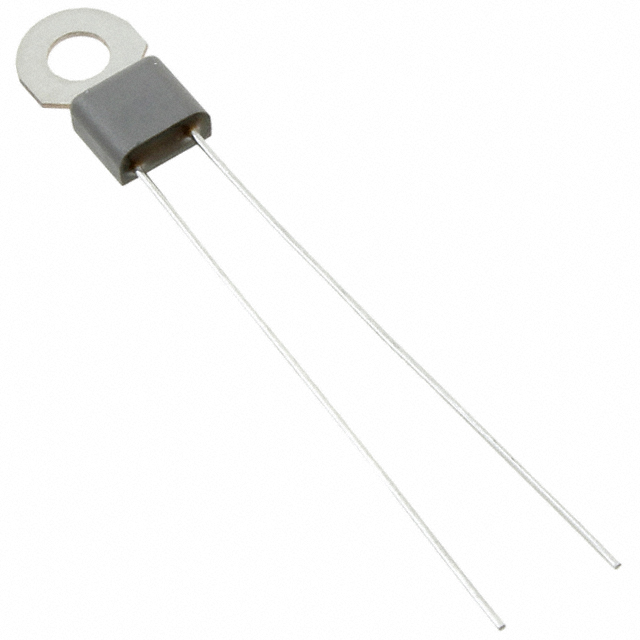

- 1
- 2
- 3
- 4
- 5
Description of PTC thermistors
PTC thermistors are devices that exhibit an increase in resistance as the temperature rises. They are widely used in applications such as overheat protection, current regulation, thermostatic heating, and temperature compensation. Below the Curie temperature, PTC thermistors display a relatively low resistance. However, once the temperature surpasses the Curie point, their resistance increases significantly.
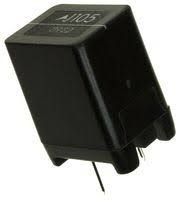
PTC thermistors
Advantages of PTC thermistors
PTC thermistors are resistors made of special semiconductor ceramics that have a high positive temperature coefficient and are temperature-dependent. This characteristic can be employed to safeguard circuits or devices from overcurrents. In such applications, an overcurrent elevates the temperature of the PTC thermistor, causing its resistance to increase significantly, thereby limiting the overcurrent. Once the cause of the malfunction is addressed, the PTC thermistor cools down and resumes functioning as a resettable fuse. Due to this property, PTC thermistors are utilized as overcurrent protection devices.
Frequently Asked Questions
What is PTC thermistor used for?
1. Temperature Sensing: PTC thermistors function as sensors in various devices and systems, measuring temperature by increasing their resistance as it rises, thereby allowing for accurate temperature monitoring and regulation.
2. Overcurrent Protection: PTC thermistors serve as self-resetting fuses within circuits, providing overcurrent protection to prevent damage.
What is the disadvantage of PTC thermistor?
1. Temperature Sensitivity: PTC thermistors are responsive to temperature changes. In extremely hot environments, they may perform poorly or provide inaccurate signals.
2. Voltage Limitations: PTC thermistors have specific voltage thresholds. Exceeding these limits can cause the device to malfunction.
What Are the Differences between PTC and NTC Thermistors?
Thermistors are categorized into two distinct types based on their temperature-dependent resistance characteristics: Negative Temperature Coefficient (NTC) thermistors and Positive Temperature Coefficient (PTC) thermistors. Each type exhibits a unique behavior in response to temperature changes.
NTC thermistor: It is designed to have a resistance that decreases as the temperature increases. This means that as the surrounding environment warms up, the electrical resistance of the NTC thermistor diminishes, allowing more current to flow through it. This characteristic makes NTC thermistors ideal for temperature sensing applications where a decrease in resistance with an increase in temperature is beneficial.
PTC thermistor: It demonstrates an opposite behavior. Its resistance increases as the temperature rises. This increase in resistance acts as a safeguard against overheating and excessive currents. PTC thermistors are therefore often used in applications requiring overcurrent protection, as they can effectively limit the flow of current when the temperature exceeds a certain threshold.