


 All Products
Categories
- Switches (Solid State)(40)






- 1
- 2
Definition and Characteristics of Solid State Switches
Solid state switches are electronic devices that used solid state components, such as transistors or thyristors, to control the flow of current without the need for mechanical moving parts. These switches are employed in various applications where fast, precise, and dependable switching actions are crucial. For instance, they are commonly found in electronic devices, industrial automation systems, and energy management solutions. By leveraging the properties of solid state components, solid state switches offer superior performance and reliability compared to traditional mechanical switches.
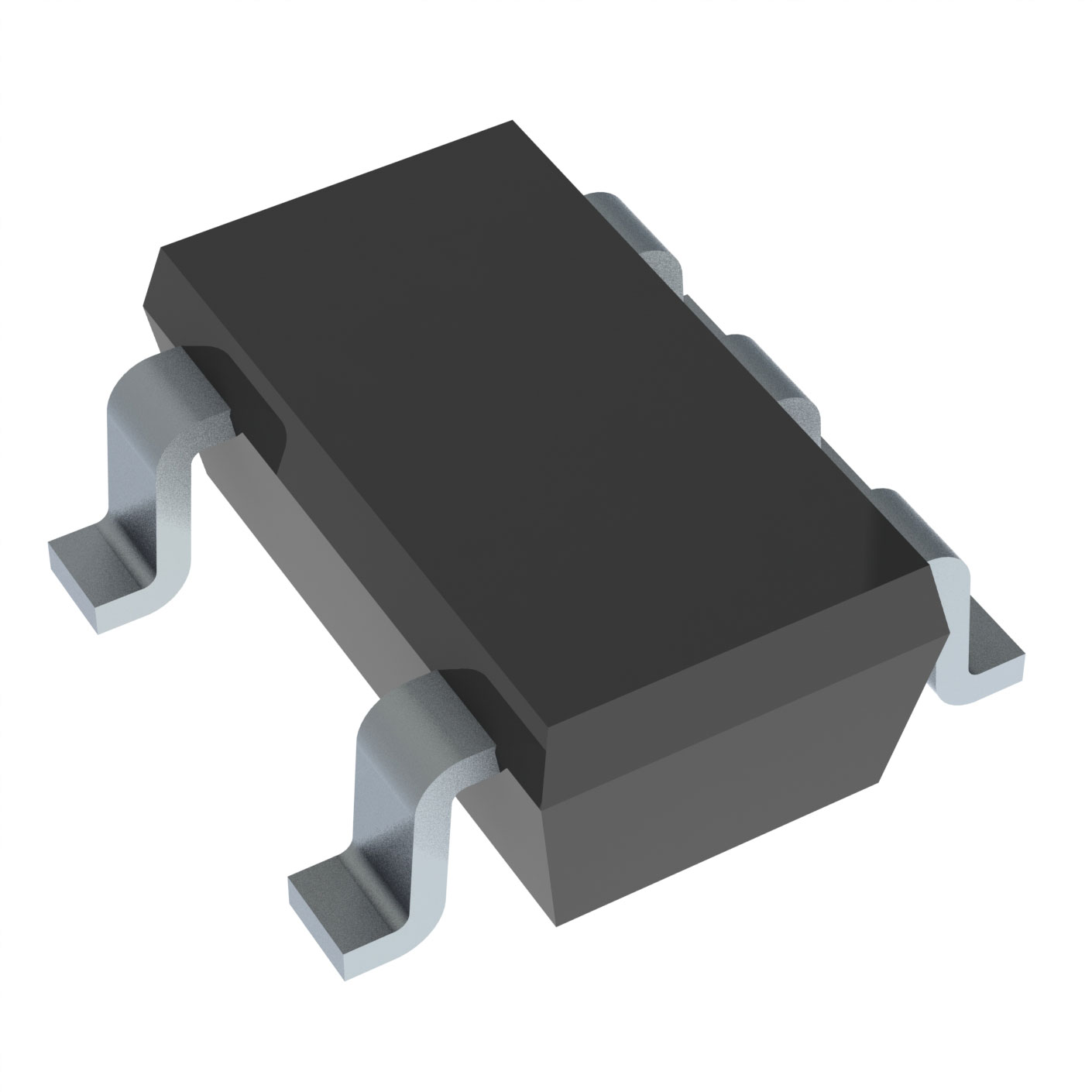
Solid state switch
Key features and benefits of Solid State Switches
1. Durability and Extended Operational Life:
Absence of Mechanical Parts: Solid state switches lack mechanical components, which significantly extends their operational lifespan.
Reduced Wear and Tear: The elimination of moving parts minimizes wear and tear, leading to fewer maintenance requirements and lower replacement costs.
2.Rapid Switching Capabilities:
High-Speed Operation: Solid state switches can switch on and off extremely quickly, making them ideal for applications that require fast and precise control.
Increased Efficiency: This rapid switching capability allows for more efficient energy use and can enhance the performance of systems that rely on timely switching actions.
3. Silent and Non-Disruptive Operation:
Noiseless Switching: The absence of mechanical movement results in silent operation, which is particularly beneficial in environments where noise can be disruptive or distracting.
Applications of Solid State Switches
Solid state switches find widespread application in scenarios demanding rapid switching, noiseless operation, and exceptional reliability. These include industrial automation processes, HVAC systems for climate control, lighting controls for efficient illumination, and home appliances for daily convenience. Solid state switches come in a variety of configurations to manage diverse voltage and current levels, offering designers and users remarkable flexibility in both implementation and operation.
Frequently Asked Questions
What is the difference between mechanical switch and solid-state switch?
A solid state switch is a type of relay that distinguishes itself from traditional mechanical relays by the absence of moving contacts. In terms of functionality, it operates similarly to mechanical relays, but it leverages semiconductor switching elements, such as thyristors, triacs, diodes, and transistors, to perform its switching actions.
How does a solid state switch work?
A solid state switch use electronic circuits to transmit signals, unlike mechanical relays that rely on moving contacts and parts. Instead, solid-state switches consist of semiconductors and other electronic components. These switches turn ON/OFF signals, currents, or voltages electronically through the operation of their electronic circuits.