

 All Products


Crystals in Electronics: A Guide to Frequency Control and Signal Stability
 Nov 20, 2024
 1306
1306Catalog
What Are Crystals in Electronic Components?Types and Functions of CrystalsKey Applications of Crystals in Electronic ComponentsHow to Choose the Right CrystalMarket Trends in Crystals for Electronic ComponentsFrequently Asked Questions (FAQs) About CrystalsConclusion: The Impact of Crystals on the Electronics IndustryWhat Are Crystals in Electronic Components?
Crystals are essential elements used for precise frequency control in the realm of electronic components. Widely applied across a range of devices—from smartphones to satellite navigation systems—Crystals function as the “timekeepers” that maintain signal stability and frequency accuracy. This article explores the types of Crystals, how they work, tips for selecting the right one, and their indispensable role in the electronics industry.
Types and Functions of Crystals
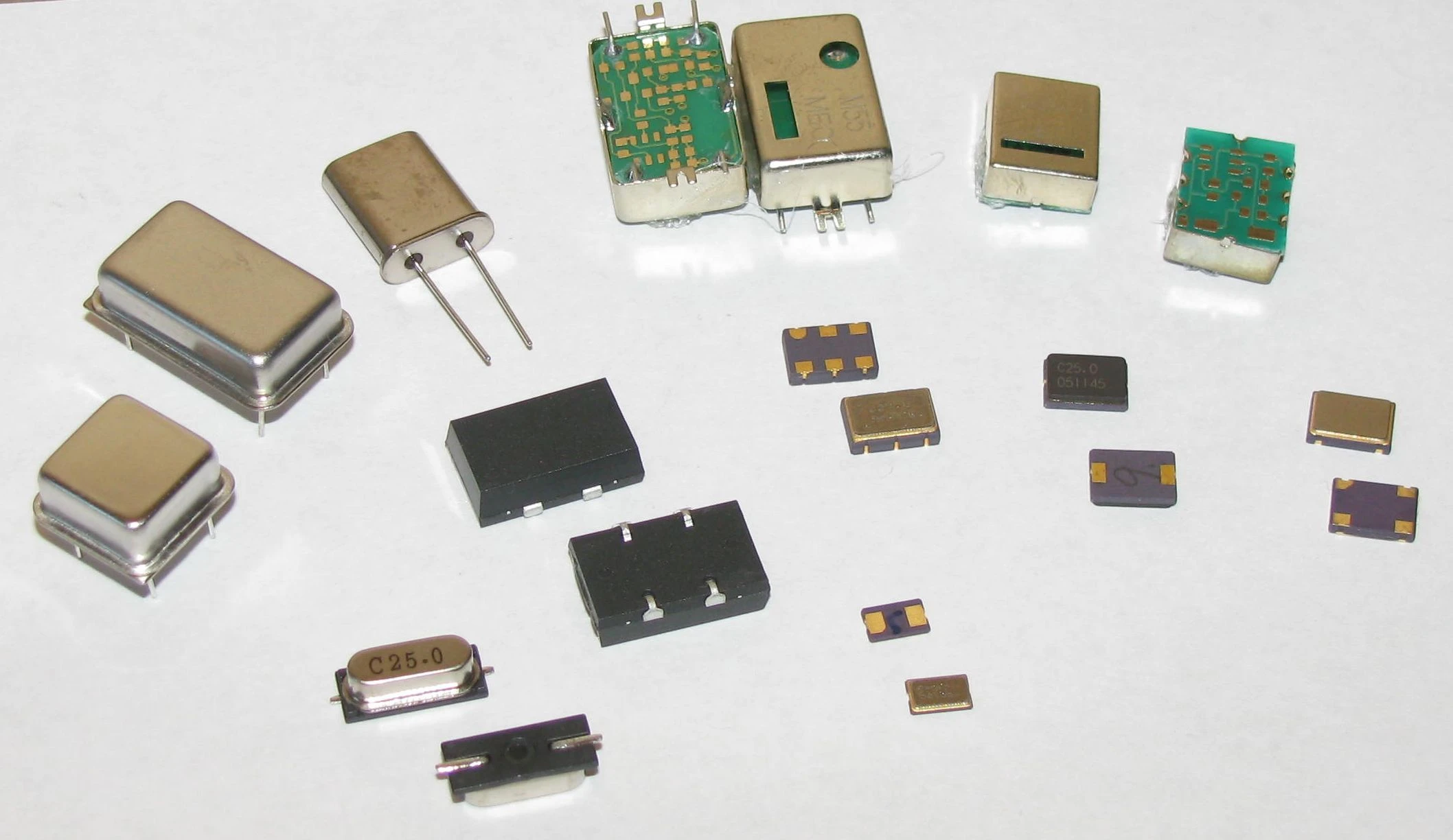
The most common type of Crystal in electronic components is the Quartz Crystal, valued for its high stability due to the natural piezoelectric effect of quartz. When an electric current is applied, quartz vibrates at a consistent frequency, making it ideal for applications that require stable frequency control. Quartz Crystals are therefore commonly found in clocks, computer motherboards, watches, and wireless communication devices.
In addition to quartz, ceramic Crystals are also used. Although they generally offer less stability than quartz, they are more cost-effective and suitable for applications where high-frequency precision is not essential.
Key Applications of Crystals in Electronic Components
Crystals play an irreplaceable role in ensuring devices operate at the correct frequency. For example, Quartz Crystals are commonly used in timekeeping devices, such as digital watches, to provide accurate synchronization down to the millisecond. In communication devices, Crystals synchronize signals to prevent delays or errors in data transmission. Particularly in wireless communications and precision measuring devices, Crystals offer exceptional frequency stability, which ensures the accuracy of signal transmission and reception.
Modern wireless devices, such as Wi-Fi and GPS systems, rely on Crystals to maintain signal timing and frequency control, which is critical for reliable operation. These unique performance benefits make Crystals widely used in smartphones, routers, and precision instruments.
How to Choose the Right Crystal
When selecting Crystals, users should consider factors such as electrical parameters, size, and durability to meet application needs. For instance, highly stable, compact Quartz Crystals are ideal for precise clock systems, while ceramic Crystals can be used in less demanding communication devices.
- Electrical Parameters: Frequency tolerance and stability are essential parameters, especially in timekeeping devices. The more stable the frequency, the more precise the timing.
- Size: The physical size of Crystals varies by application; ultra-compact devices require smaller Crystals.
- Durability: For devices used in high-temperature or mechanically intensive environments, durable Crystals are crucial.
Selecting the appropriate Crystal not only enhances device reliability but also reduces long-term maintenance costs. Particularly in engineering, the choice of Crystals for frequency control can directly impact overall system performance.
Market Trends in Crystals for Electronic Components
The demand for high-precision, miniaturized Crystals has surged due to advancements in IoT and 5G technology. According to market data, the need for Crystals is expected to grow significantly in the coming years, especially in areas like wearable devices, 5G communication base stations, and smart home equipment.
Moreover, as manufacturing technology continues to evolve, new materials and more precise manufacturing processes have further enhanced Crystal performance. For companies involved in electronic component trading and manufacturing, understanding Crystal market dynamics is essential for staying ahead in technology and enhancing competitiveness.
Frequently Asked Questions (FAQs) About Crystals
1, What are Crystals in electronic devices?
Crystals are frequency control components used in electronic devices to provide precise timing and signal stability, ensuring the device operates at the correct frequency.
2, What role do Crystals play in electronics?
Crystals generate a stable frequency through vibration, used for timing, signal synchronization, and frequency control, making them essential in clocks, computers, communication devices, and more.
3, What types of Crystals are used in electronic devices?
The most common type is the Quartz Crystal, known for its high stability, making it suitable for applications that require precise frequency control. Ceramic Crystals are also used in applications where high precision is less critical.
4, How do I choose the right Crystal for my device?
When selecting Crystals, consider factors such as frequency tolerance, stability, size, and durability. Each application may have different requirements for these characteristics, so it’s best to match the Crystal to the device’s needs.
5, What is the difference between Quartz and Ceramic Crystals?
Quartz Crystals offer higher frequency stability and are ideal for high-precision applications, while Ceramic Crystals are more cost-effective and suited for devices with lower precision requirements.
6, Which devices need high-precision Crystals?
Precision timing devices like watches, communication devices, navigation systems, and wireless devices all require high-precision Crystals to ensure signal synchronization and accurate data transmission.
7, What applications do Crystals have in 5G and IoT devices?
In 5G communication and IoT (Internet of Things) devices, Crystals are used for frequency synchronization and signal control, ensuring reliable data reception and transmission for stable connectivity.
8, How important is durability for Crystals?
Durability is especially important for devices operating in extreme temperatures or high-vibration environments. High-durability Crystals ensure stable operation even in harsh conditions.
9, How can I tell if a Crystal needs replacement?
If a device shows signs of frequency drift, unstable signals, or inaccurate timing, the Crystal may need to be replaced. Regular checks and performance monitoring can help detect potential issues.
10, What are some common brands for Crystals in electronics component stores?
Popular brands include Murata, Epson, Kyocera, and TXC. Customers can choose the appropriate brand and model based on their specific needs.
Conclusion: The Impact of Crystals on the Electronics Industry
In summary, Crystals play a vital role in modern electronics by providing essential frequency control and signal stability. Whether you are an engineer or a DIY enthusiast, understanding the characteristics of different Crystals and how to select the right one can help you design and optimize electronic products. In our electronic component store, you can find a variety of Crystals in different specifications and brands to meet diverse technical requirements.
If you're looking for the ideal Crystal, visit our product page, and feel free to consult our technical team for guidance. With the right Crystal choice, you can ensure stability and precision in your devices, supporting efficient and reliable product design.
This article is from JMChip Electronics which offer electronic components, semiconductors, antennas, capacitors, connectors, diodes, transistors, ICs, and resistors. For more product information, please go to the website to get it.

Christopher Anderson
Christopher Anderson has a Ph.D. in electrical engineering, focusing on power electronics. He’s been a Senior member of the IEEE Power Electronics Society since 2021. Right now, he works with the KPR Institute of Engineering and Technology in the U.S. He also writes detailed, top-notch articles about power electronics for business-to-business electronics platforms.
Subscribe to JMChip Electronics !