

 All Products
Bel Fuse Inc. 0ZCH0010FF2E


- Part Number:
0ZCH0010FF2E
- Manufacturer:
- Category:
- RoHs:
 RoHS Compliant
 - Datasheet:
 0ZCH0010FF2E_Datesheet
 - Description:
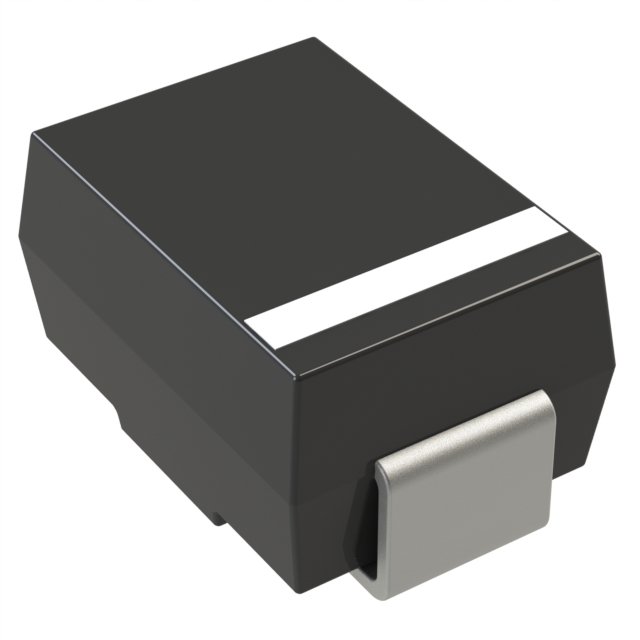
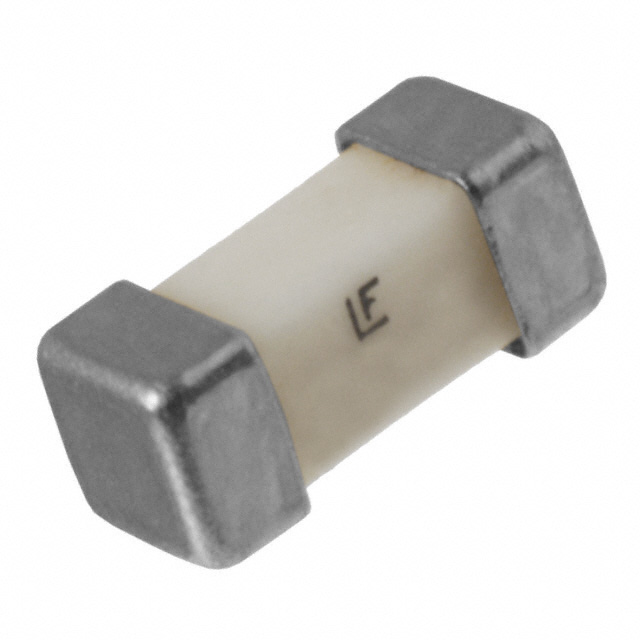
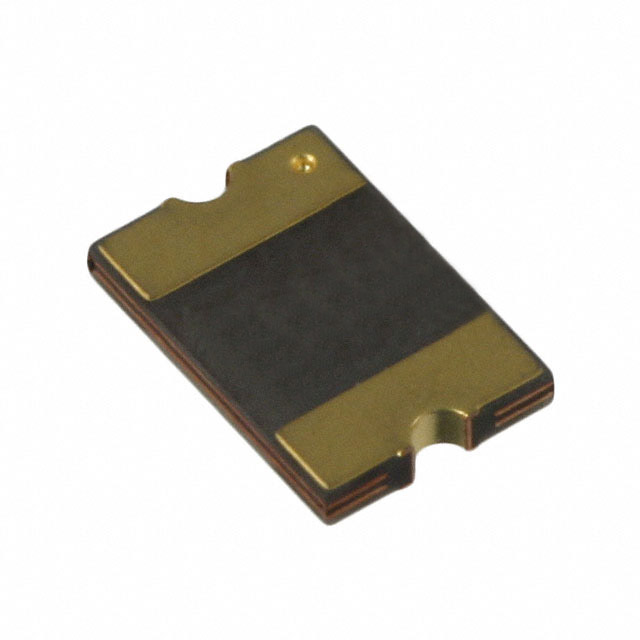
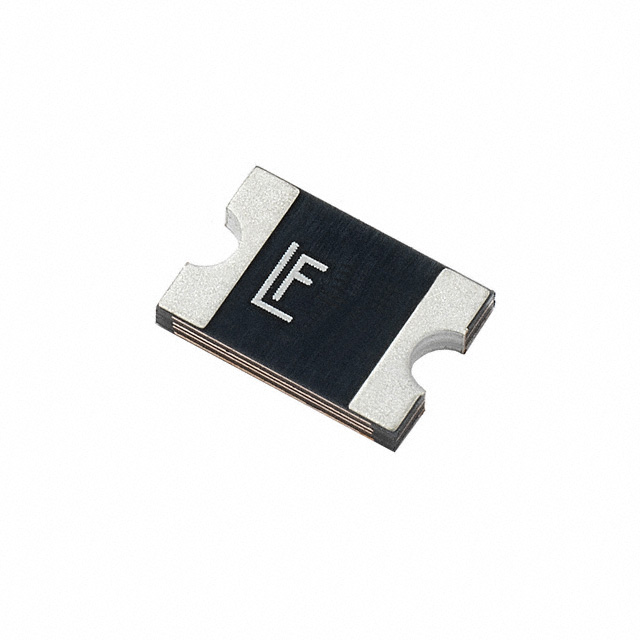
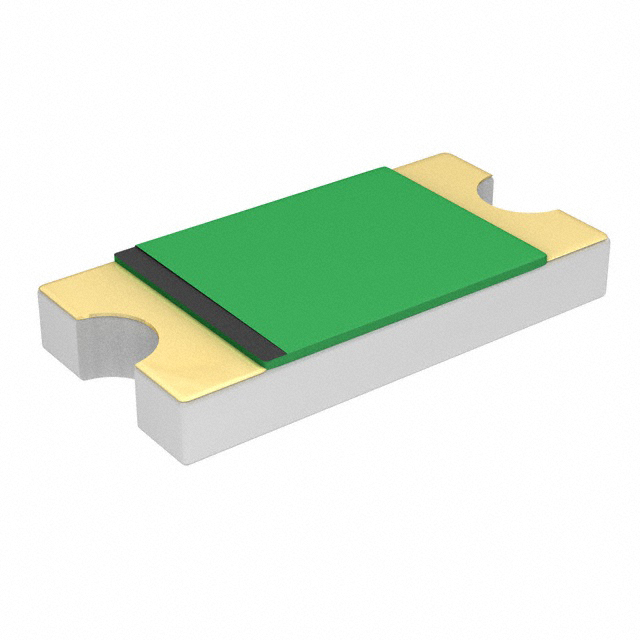
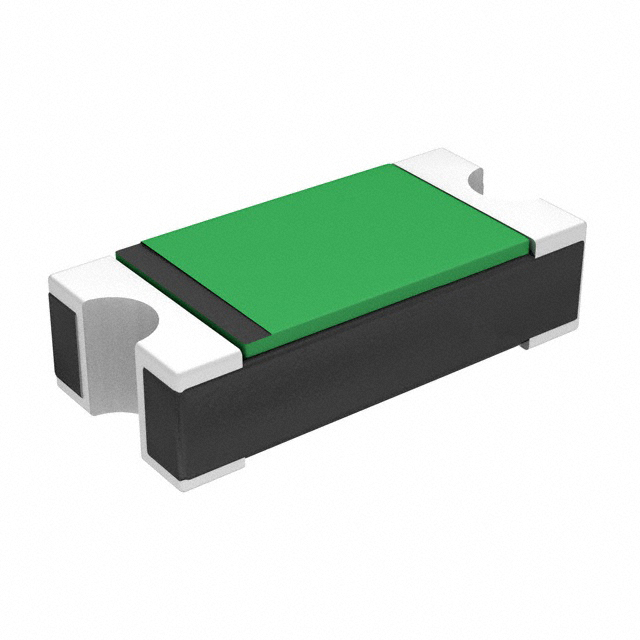
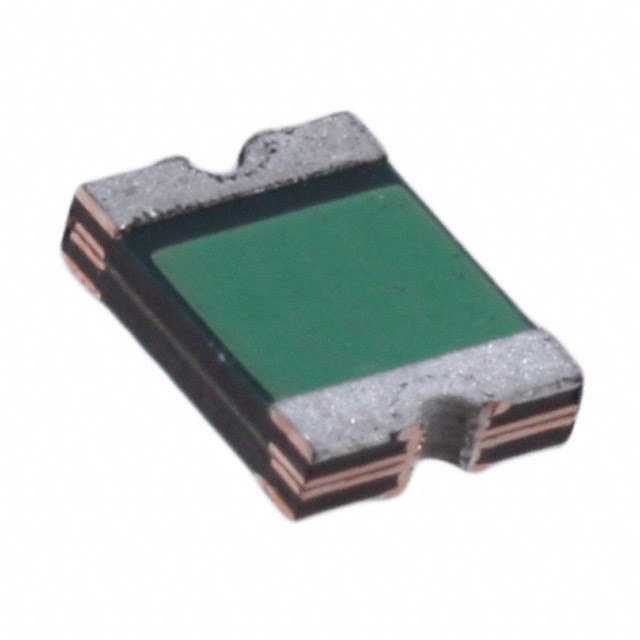
Polymeric PTC Resettable Fuse 60V 100 mA Ih Surface Mount 1210 (3225 Metric), Concave
- In stock 321,733



Technical Specification Sheet for 0ZCH0010FF2E Surface Mount PTC
1. Basic Product Information
| Category | Details |
| Manufacturer | Bel Fuse Inc. (a bel group company) |
| Product Series | 0ZCH Series |
| Product Type | Surface Mount Polymer Positive Temperature Coefficient (PPTC) Resettable Fuse |
| Package Size | 1210 Chip (Industry Standard SMD Size) |
| Compliance Standards | - RoHS Compliant (Meets EU Directive 2011/65/EU and amending directive 2015/863) - AEC-Q Compliant (Largely based on internal AEC-Q test plan) - Halogen-Free - Lead-Free |
| Agency Approvals | - TUV Certified (Std. EN/IEC 60738-1-1 and EN/IEC 60730-1, Certificate No. R50102117) - UL Recognized Component (Std. UL1434, File No. E305051) |
| Operating Temperature Range | -40°C to 85°C |
| Moisture Sensitivity Level (MSL) | 2a (Per IPC J-Std-020) |
2. Electrical Characteristics (At 23°C, Still Air)
| Parameter | Symbol | Value | Definition & Notes |
| Hold Current | $$I_$$ | 0.10 A | Maximum current at which the device will not trip; ensures stable operation under normal load. |
| Trip Current | $$I_$$ | 0.25 A | Minimum current at which the device will always trip; triggers protection against overcurrent. |
| Maximum Voltage | $$V_{max$$ | 60 V DC | Maximum voltage the device can withstand at rated current without damage. |
| Maximum Fault Current | $$I_{max$$ | 10 A | Maximum fault current the device can withstand at $$V_{max$$ without catastrophic failure. |
| Typical Power Dissipation (Tripped State) | $$P_$$ | 0.60 W | Power required to maintain the device’s internal temperature at 125°C (tripped state) in 23°C still air. Calculated via $$R = E^2 / $$ (Ohm’s Law derivation). |
| Maximum Time to Trip | - | 1.50 Seconds | Time taken to trip when exposed to 5×$$I_$$ (fault current condition). |
| Initial Resistance (Unsoldered, Min) | $$R_{min$$ | 1.600 Ohms | Minimum resistance of the device at 23°C in its initial un-soldered state. |
| Post-Trip/Post-Soldering Resistance (Max) | $$R_{1max$$ | 15.000 Ohms | Maximum resistance at 23°C, measured 1 hour after initial trip or after soldering to PCB. |
3. Physical & Packaging Specifications
3.1 Mechanical Dimensions
| Dimension | Symbol | Min Value | Max Value | Unit | Reference (View) |
| Overall Length | - | 3.00 | 3.43 | mm | Top View |
| Overall Width | B | 2.35 | 2.80 | mm | Top View |
| Thickness | C | 0.60 | 1.15 | mm | Side View |
| Terminal Diameter (Range) | D | 0.25 | 0.75 | mm | Side View |
| Terminal Protrusion (Range) | E | 0.10 | 0.45 | mm | Side View |
| Marking Code | - | "D" | "D" | - | Top View (Indicates $$I_$$ rating) |
3.2 Recommended Pad Layout (Matte Tin-Plated Copper)
| Pad Parameter | Nominal Value (mm) | Nominal Value (Inch) |
| Pad Width (W) | 2.80 | 0.110 |
| Pad Spacing (S) | 1.00 | 0.039 |
| Pad Length (P) | 2.00 | 0.079 |
| Termination Pad Material | Matte Tin-Plated Copper | - |
3.3 Packaging Details
| Packaging Type | Tape & Reel (Per EIA-481 / IEC-286-3) |
| Reel Diameter | 7 Inches |
| Tape Width | 8 mm |
| Tape Pitch | 4 mm |
| Quantity per Reel | 3,000 Units |
| Part Number for Packaging | Included in base part number (0ZCH0010FF2E) |
4. Operating Principle & Tripped State Behavior
4.1 Basic Working Mechanism
The 0ZCH0010FF2E consists of a polymeric matrix embedded with conductive carbon granules, sandwiched between two metal plates. Under normal conditions (current ≤ $$I_$$, temperature ≤ 100°C), the carbon granules form continuous conductive paths, maintaining low resistance ($$< R_{1max$$).
When an overcurrent or overtemperature event occurs:
- Current exceeds $$I_$$ (or external heat raises temperature to ~125°C), causing the polymer to expand volumetrically.
- Expansion breaks the carbon conductive chains, leading to a sharp resistance increase (tripped state).
- The tripped state limits current to a residual level, keeping the polymer at 125°C.
- When power is removed, the polymer cools and shrinks, re-establishing carbon chains—device resets to low-resistance state (≤ $$R_{1max$$) once cooled to room temperature.
4.2 Tripped Resistance Calculation
Tripped resistance is not constant; it depends on applied voltage and ambient conditions. Using the typical power dissipation ($$P_d = 0.6$$ W), calculate via:$$R_{tripped} = \frac{E^2}{P_d$$
- Example 1: 60V supply → $$R_{tripped} = \frac{60^2}{0.60} = 6,00$$ Ohms
- Example 2: 12V supply → $$R_{tripped} = \frac{12^2}{0.60} = 24$$ Ohms
5. Temperature Derating Characteristics
5.1 Temperature Derating Table (Percent of Rated $$I_$$ and $$I_$$)
| Temperature (°C) | -40 | -20 | 0 | 23 | 30 | 40 | 50 | 60 | 70 | 85 |
| Derating Factor (0ZCH0010FF2E) | 150% | 130% | 116% | 100% (Rated) | 94% | 86% | 78% | 69% | 61% | 48% |
5.2 Key Note
At temperatures above 23°C, the effective hold current ($$I_$$) and trip current ($$I_$$) decrease. For example, at 85°C, the effective $$I_$$ is 0.10 A × 48% = 0.048 A—ensure application load current is below this value to avoid false tripping.
6. Environmental & Mechanical Specifications
6.1 Environmental Test Standards
| Test Type | Standard Reference |
| Temperature Cycling | JESD22 Method JA-104 |
| Biased Humidity | MIL-STD-202 Method 103 |
| Operational Life | MIL-STD-202 Method 108 |
| Solvent Resistance | MIL-STD-202 Method 215 |
| Mechanical Shock | MIL-STD-202 Method 213 |
| Vibration Resistance | MIL-STD-202 Method 204 |
| Soldering Heat Resistance | MIL-STD-202 Method 210 |
| Thermal Shock | MIL-STD-202 Method 107 |
| Solderability | ANSI/J-STD-002 |
| Board Flexure (SMD) | AEC-Q200-005 |
| Terminal Strength | AEC-Q200-006 |
6.2 Cautionary Notes for Environmental Use
- Avoid contact with chemical solvents—prolonged exposure degrades PTC performance.
- Do not use in circuits with large inductance; PTC tripping may generate voltage spikes exceeding $$V_{max$$.
- Suitable for both DC and AC circuits, but peak-to-peak AC voltage must not exceed $$V_{max$$ (60V).
- If potting is required, use non-rigid compounds—rigid potting blocks polymer expansion and prevents tripping.
7. Solder Reflow & Rework Recommendations (Pb-Free Assembly)
7.1 Reflow Profile Parameters
| Profile Feature | Specification |
| Average Ramp-Up Rate (Tsmax to Tp) | ≤ 3°C/second |
| Preheat Stage | - Min Temperature ($$T_{smin$$): 150°C - Max Temperature ($$T_{smax$$): 200°C - Duration (tsmin to tsmax): 60–180 seconds |
| Time Above Liquidus ($$T_L = 217°$$) | 60–150 seconds |
| Peak Temperature ($$T_$$) | 260°C (Classification Temperature) |
| Time Within 5°C of Peak ($$t_$$) | 20–40 seconds |
| Average Ramp-Down Rate | ≤ 6°C/second |
| Total Time (25°C to Peak) | ≤ 8 minutes |
7.2 Rework & Assembly Notes
- Recommended Ref
Purchase
No need to register to order from JMChip Electronics, but signing in lets you track your order like a pro. Give it a try for a smoother shopping ride.
Means
Easy peasy! Pay your way with PayPal, Credit Card, or wire transfer in USD. We've got you covered.
RFQ(Request for Quotations)
Get the freshest prices and stock updates by asking for a quote! Our sales team will shoot you an email within a day. It's that simple.
IMPORTANT NOTICE
1. Look out for your order details in your inbox! (If it's missing, check the spam folder just in case.)
2. Our sales manager will double-check the order and keep you posted on any price or stock changes. No worries, we've got you covered.

Shipping Rate
We ship orders once a day around 5 p.m., except Sunday. Once shipped, the estimated delivery time depends on the courier company you choose, usually 5-7 working days.

Shipping Methods
We provide DHL, FedEx, UPS, EMS, SF Express, and Registered Air Mail international shipping.


Payment
You can pay the orders on the website directly or pay by wire transfer offline. We support: Paypal、VISA、Credit Card.