


 All Products
Categories
- Triac, SCR Output Optoisolators(15)





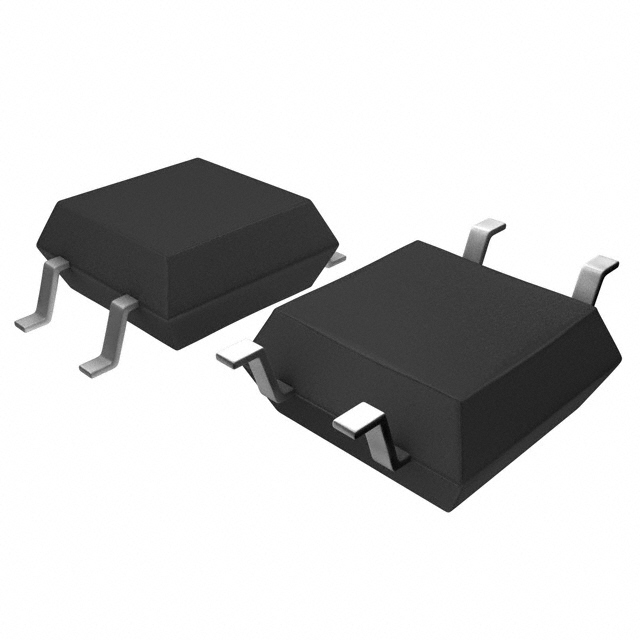
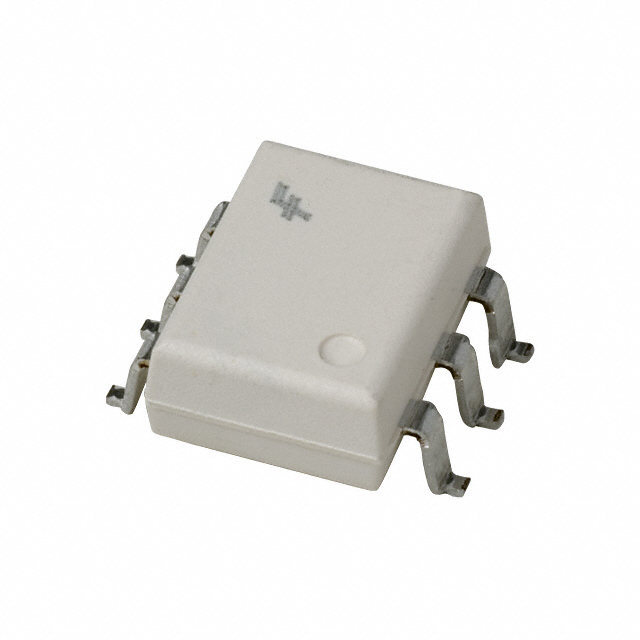
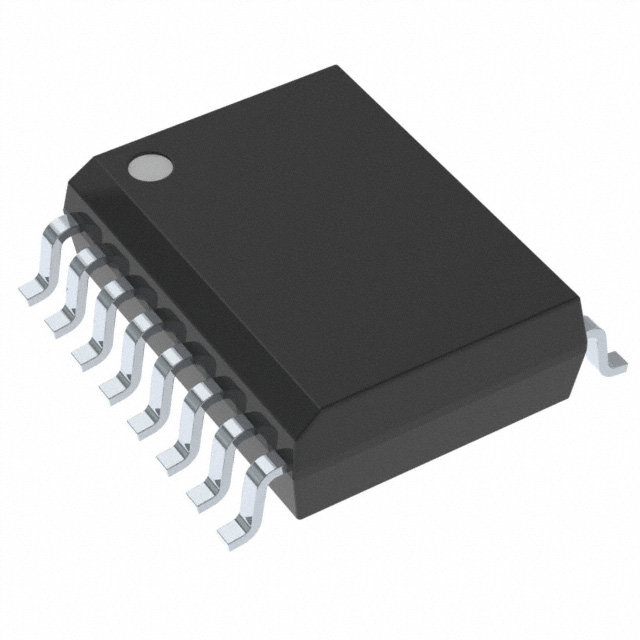
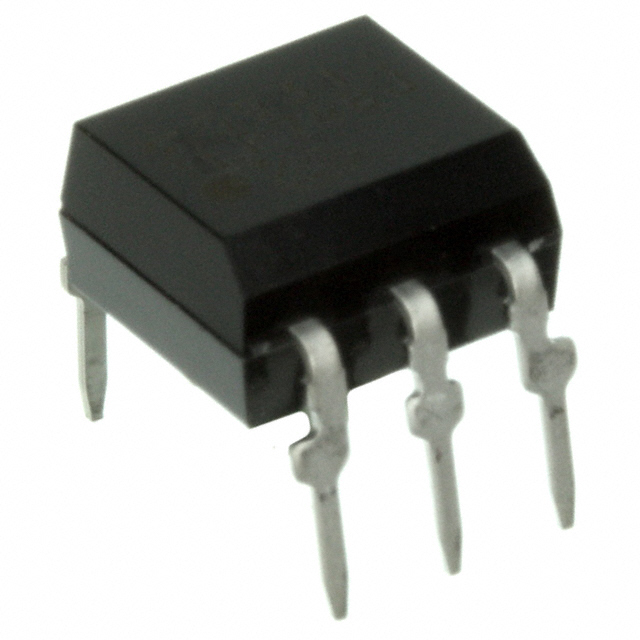
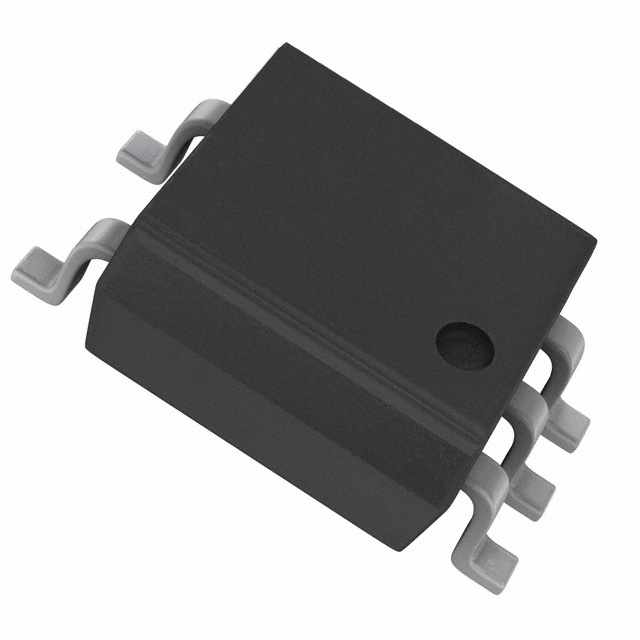

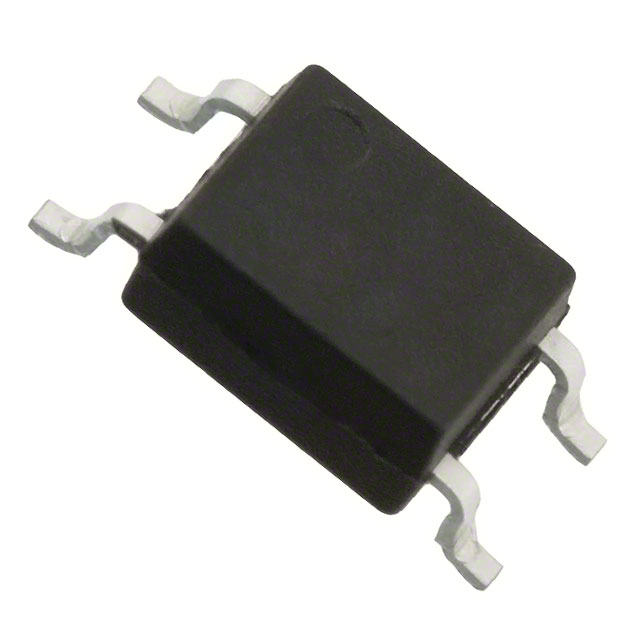
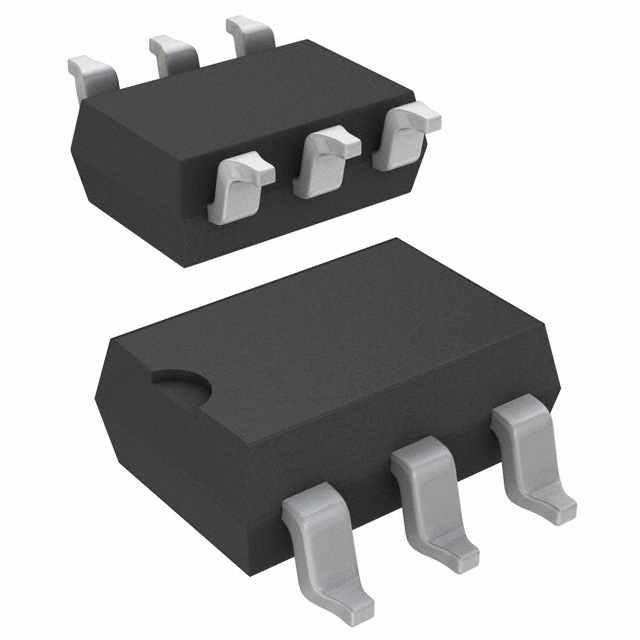
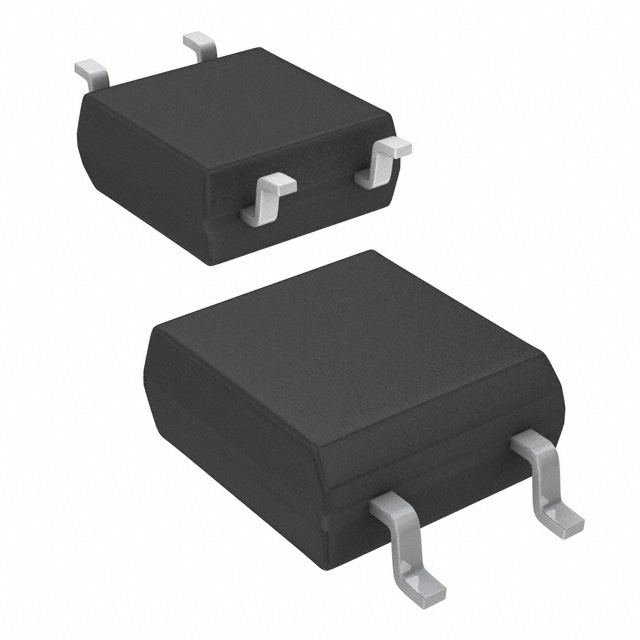
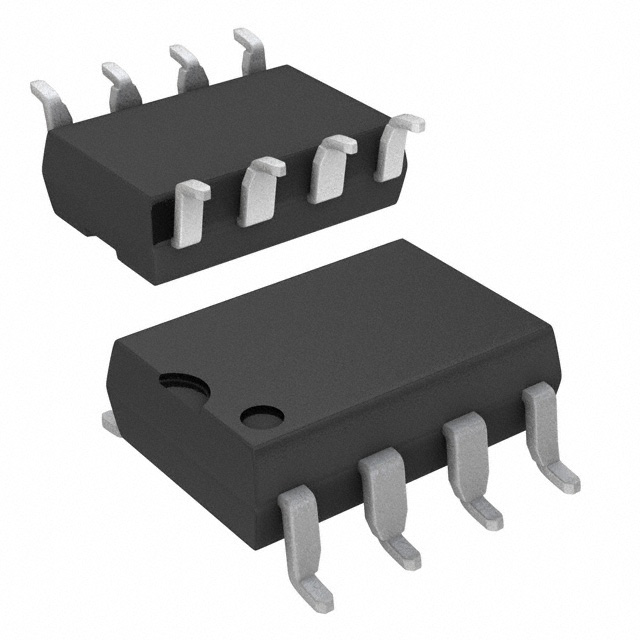
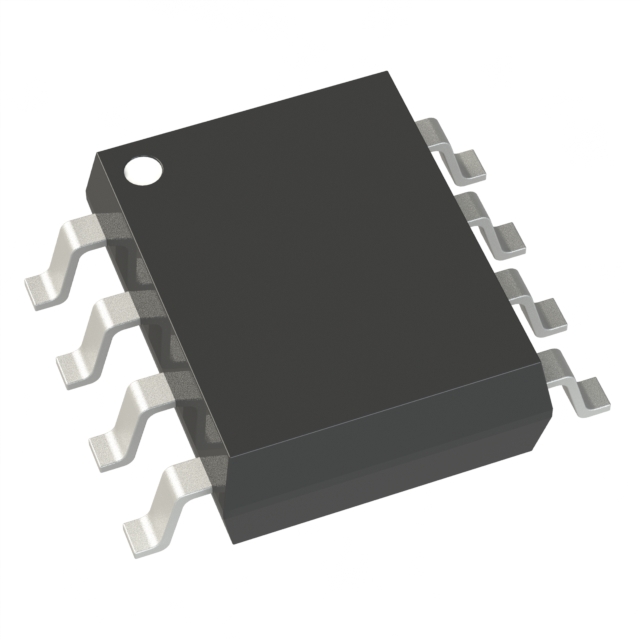
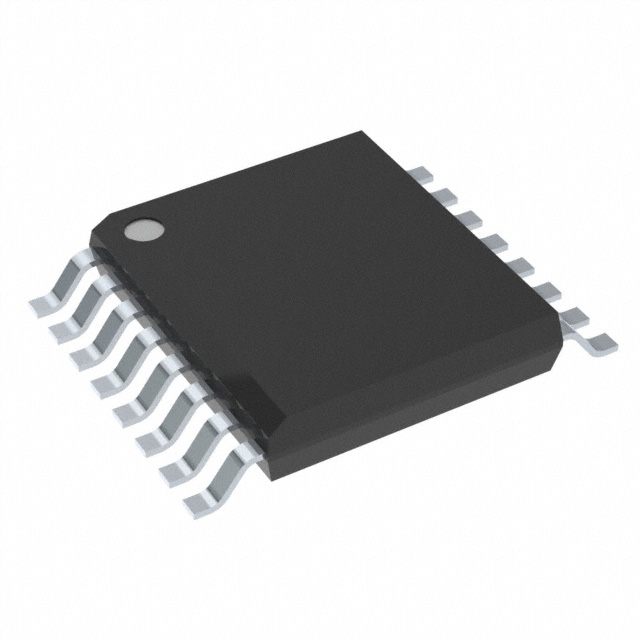
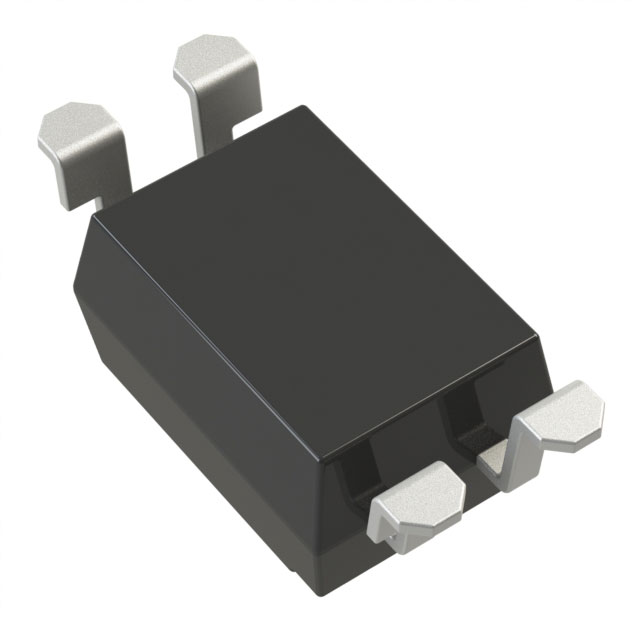
- 1
Triac and SCR Output Optoisolators
Optoisolators (or optocouplers) are essential components that allow electrical signals to be transmitted between circuits while providing isolation between the input and output. This isolation helps protect sensitive components from voltage spikes, electrical noise, and interference. Optoisolators work by converting electrical signals into light (via an LED) and then back into electrical signals (via a photodetector). Triac and SCR (Silicon Controlled Rectifier) output optoisolators are types of optoisolators designed specifically for switching AC loads and controlling power in high-voltage systems, making them ideal for applications involving power electronics.
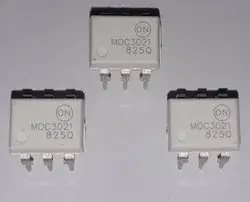
Triac, SCR Output Optoisolators
1. Triac Output Optoisolators
A Triac output optoisolator uses a Triac as the output device. A Triac is a type of semiconductor device that can conduct current in both directions, making it ideal for controlling alternating current (AC) signals. The main feature of a Triac is that it can switch AC loads on and off without requiring mechanical components like relays.
Key Components:
- LED (Light Emitting Diode): The LED is used to convert the input electrical signal into light.
- Triac: The Triac is the output component, which conducts current in both directions when triggered by the light from the LED.
Operation:
When the input signal activates the LED, it emits light, which activates the photodetector and triggers the Triac. Once triggered, the Triac allows current to flow through the load, even when the voltage alternates in both directions (AC). The Triac will continue to conduct until the current through it drops below a certain threshold, which typically occurs during the zero-crossing point of the AC waveform.
Features and Advantages:
- AC Switching Capability: The Triac can handle AC signals, making it ideal for controlling AC loads such as motors, lamps, and heating elements.
- No Mechanical Components: Unlike mechanical relays, Triac-based optoisolators do not have moving parts, offering longer operational life and faster response times.
- Bidirectional Current: Since a Triac can conduct current in both directions, it is especially suitable for AC circuits, unlike regular diodes or transistors that only handle one direction of current flow.
Applications:
- AC Power Switching: Used in switching AC circuits, such as dimmer switches, fan controllers, and motor control systems.
- Overvoltage Protection: Triac-based optoisolators can be used in protection circuits to isolate sensitive components from high-voltage spikes in AC systems.
- Solid-State Relays: They are widely used in solid-state relay applications to control large AC loads without mechanical switching.
2. SCR Output Optoisolators
An SCR output optoisolator uses a Silicon Controlled Rectifier (SCR) as the output device. An SCR is a type of semiconductor device that functions similarly to a diode but with the ability to be turned on and off by applying a gate signal. SCRs are commonly used for controlling power in high-voltage AC systems and are especially suitable for situations where you need to switch large currents.
Key Components:
- LED (Light Emitting Diode): The LED is used to convert the electrical signal to light.
- SCR (Silicon Controlled Rectifier): The SCR acts as the output device and controls the flow of current in the circuit once it is triggered by the light emitted by the LED.
Operation:
When an input signal is applied to the LED, it emits light, which activates the photodetector. This activation triggers the gate of the SCR, allowing current to flow through the device. The SCR will continue to conduct even after the light is turned off, until the current through the device falls below a certain threshold (such as when the AC signal passes through zero). This characteristic makes SCRs suitable for controlling power in AC circuits where continuous current conduction is required until the current naturally ceases.
Features and Advantages:
- High Power Handling: SCRs can handle large amounts of current and are capable of switching high-power AC loads.
- Bidirectional Conductance: Like the Triac, an SCR can handle AC signals and conduct current in one direction, making it ideal for controlling AC power.
- Gate Triggering: The SCR can be turned on or off by applying a gate signal, which makes it highly useful for controlling when the AC load is activated.
Applications:
- AC Motor Control: SCR optoisolators are often used in motor control circuits to switch AC motors on and off or to regulate their speed.
- Power Regulation: SCRs are used in power regulation systems, such as in voltage regulators, to control the flow of current.
- Overvoltage Protection and Isolation: SCR output optoisolators are often used in systems where overvoltage protection and isolation from high-voltage circuits are required, such as in industrial equipment and power supplies.
Key Differences Between Triac and SCR Output Optoisolators:
- Conduction Direction:Triac: Conducts current in both directions (bidirectional), making it suitable for AC circuits without requiring a complex arrangement of components.SCR: Conducts current in only one direction (unidirectional), making it ideal for applications where current needs to flow in a specific direction.
- Switching Characteristics:Triac: Once triggered, it remains on until the current drops below a threshold, at which point it turns off automatically during the zero-crossing of the AC signal.SCR: Similar to the Triac in its operation, but it requires a gate signal to turn on and off, making it more suited for applications where the timing of the trigger is critical.
- Complexity:Triac: Easier to use in simple AC switching applications since it can conduct in both directions and does not require complex triggering mechanisms.SCR: Generally used in more complex systems where precise control of switching is required, and where only one-direction current flow is needed.
Conclusion
Triac and SCR output optoisolators are both excellent solutions for controlling high-voltage AC power while providing electrical isolation. The Triac is commonly used for simpler, bidirectional AC switching applications, while the SCR is ideal for more specific, unidirectional control and high-power applications. Both types of optoisolators help protect sensitive components from high-voltage spikes and provide reliable, long-lasting performance without the need for mechanical parts, making them essential for modern power electronics.