Categories
  • Display Drivers(1,482)
View Mode:result_1_0result_1_1result_2_0result_2_1
Email

Leave Us A Message!

We`re not around but we still want to hear from you! Leave us a note:

SEND
EmailWhatsApp
*You can contact us directly on WhatsApp!
  • img

    MT62F2G32D4DS-023 WT:C

    SDRAM - Mobile LPDDR5 Memory IC 64Gbit Parallel 2.133 GHz 200-WFBGA (10x14.5)

    Micron Technology Inc.

  • img

    MT40A1G8SA-062E IT:E

    SDRAM - DDR4 Memory IC 8Gbit Parallel 1.6 GHz 78-FBGA (7.5x11)

    Micron Technology Inc.

  • img

    INA301A1IDGKR

    Current Monitor Regulator High/Low-Side 8-VSSOP

    Texas Instruments

  • img

    AMC3330DWER

    1-V INPUT, PRECISION REINFORCED

    Texas Instruments

  • img

    LMZ21701SILR

    Non-Isolated PoL Module DC DC Converter 1 Output 0.9 ~ 6V 1A 3V - 17V Input

    Texas Instruments

  • img

    TPS82150SILR

    Non-Isolated PoL Module DC DC Converter 1 Output 0.9 ~ 6V 1A 3V - 17V Input

    Texas Instruments

  • img

    MT48LC4M32B2P-6A:L

    IC DRAM 128MBIT PAR 86TSOP II

    Micron Technology Inc.

  • img

    K4T1G164QJ-BCE7

    DRAM Chip DDR2 SDRAM 1Gbit 64Mx16 1.8V 84-Pin FBG

    Samsung

  • img

    MT53E256M32D2DS-053 WT:B

    SDRAM - Mobile LPDDR4 Memory IC 8Gbit 1.866 GHz 200-WFBGA (10x14.5)

    Micron Technology Inc.

  • img

    MT53D512M32D2DS-046 AAT:D

    SDRAM - Mobile LPDDR4 Memory IC 16Gbit 2.133 GHz 200-WFBGA (10x14.5)

    Micron Technology Inc.

  • img

    MT62F2G32D4DS-023 WT: C

    Low-power LPDDR5X architecture for high performance and energy efficiency

    Micron Technology Inc.

  • img

    K3KL9L90DM-MGCU

    LPDDR5X 16Gb x 32 1.8V -25°C~85°C FBGA-315

    Micron Technology Inc.

  • img

    MT40A1G16TB-062E:F TR

    SDRAM - DDR4 Memory IC 16Gbit Parallel 1.5 GHz 19 ns 96-FBGA (7.5x13)

    Micron Technology Inc.

  • img

    ADA4092-4ARUZ-RL

    IC SUPERVISOR 1 CHANNEL SOT143-4

    Analog Devices Inc.

  • img

    A4950ELJTR-T

    IC MOTOR DRIVER 8V-40V 8SOIC

    Allegro MicroSystems

  • img

    MT48LC16M16A2P-7E IT:G

    SDRAM Memory IC 256Mbit Parallel 133 MHz 5.4 ns 54-TSOP II

    Micron Technology Inc.

  • img

    MAX908ESD+

    Comparator General Purpose TTL 14-SOIC

    Analog Devices Inc./Maxim Integrated

  • img

    PCA9534PW,118

    I/O Expander 8 I2C, SMBus 400 kHz 16-TSSOP

    NXP USA Inc.

  • img

    MAX7219EWG+

    LED Driver 24-SOIC

    Analog Devices Inc./Maxim Integrated

  • img

    AD9912ABCPZ

    Direct Digital Synthesis IC 14 b 1 GHz 48 b Tuning 64-LFCSP-VQ (9x9)

    Analog Devices Inc.

  • Total 1482
    • 1
    • 2
    • 3
    • 4
    • 5
    • 6
    • 75

    Description of Display drivers

    Display Drivers

    Display drivers are integrated circuits (ICs) that provide translation, interface and control between a microprocessor (MPU), microcontroller (MCU) or other circuitry system for displays such as LCD, LED, OLED, DLP, vacuum fluorescent and AMOLED. Possible interfaces and protocols for communication include analog, BCD, I2C, parallel, serial, SMBus, SPI and QSPI.

    What’s a display driver?

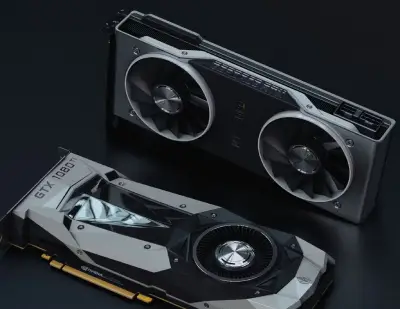
    A display driver is basically software that helps your operating system communicate with the graphics hardware. This hardware manages the monitors and can be an add-in card inside your computer, built into the computer’s main board (like in laptops), or even something external (like Matrox remote graphics units).

    Display drivers are what help control your computer’s monitor or display device, acting as the hardware and software interface. They’re responsible for converting the graphics commands from your operating system and applications into signals that the monitor can understand and show.

    The main functions and parts of display drivers

    Graphics Processing: Display drivers take computer graphics data (like GUI elements and app icons) and format it for display on the monitor. They pull the image from your computer’s memory and send it to the display device.

    Resolution and Refresh Rate Management: Drivers let you adjust the monitor’s resolution and refresh rate. They make sure the monitor displays images correctly and optimizes the display to meet your needs.

    Hardware Acceleration: Modern drivers use the GPU’s hardware acceleration to boost graphics processing speed and performance, especially when dealing with complex graphics and videos.

    Color Management: Drivers adjust and optimize the monitor’s color output to ensure that colors are accurate and consistent. This involves calibrating the monitor’s color profiles and managing color spaces.

    Compatibility and Updates: Display drivers need to be compatible with your operating system and applications. Regular updates can fix bugs, add new features, and improve performance.

    Interfaces and APIs: Drivers often interact with applications through standard interfaces like OpenGL, DirectX, and Vulkan. These APIs provide access to graphics hardware features, allowing developers to create rich graphical apps and games.

    The quality and performance of display drivers have a direct impact on your computer’s graphics performance, so keeping them up to date is crucial for system stability and optimal graphics.

    Filters
    ApplyReset All
    • Manufacturers
    • Stocking Options
    • Environmental Options
    • -3db Bandwidth
    • Access Time
    • Accuracy
    • Additional Interfaces
    • Amplifier Type
    • Applications
    • Architecture
    • Auxiliary Sense
    • Base Product Number
    • Battery Chemistry
    • Bus Directional
    • Capacitance - Input
    • Channel Capacitance (CS(off), CD(off))
    • Channel Type
    • Channel-to-Channel Matching (ΔRon)
    • Channels per Circuit
    • Charge Injection
    • Circuit
    • Clock Frequency
    • Clock Rate
    • Clock Sync
    • CMRR, PSRR (Typ)
    • Co-Processors/DSP
    • Configuration
    • Connectivity
    • Control Features
    • Control Interface
    • Controller Series
    • Controller Type
    • Core Processor
    • Core Size
    • Core Type
    • Count
    • Count Rate
    • Crosstalk
    • Current - Bias
    • Current - Cathode
    • Current - Input Bias
    • Current - Input Bias (Max)
    • Current - Leakage (IS(off)) (Max)
    • Current - Modulation
    • Current - Output
    • Current - Output (Max)
    • Current - Output (Typ)
    • Current - Output / Channel
    • Current - Output High, Low
    • Current - Output Source/Sink
    • Current - Peak Output
    • Current - Peak Output (Source, Sink)
    • Current - Quiescent (Iq)
    • Current - Quiescent (Max)
    • Current - Startup
    • Current - Supply
    • Current - Supply (Max)
    • Current - Timekeeping (Max)
    • Data Converters
    • Data Interface
    • Data Rate
    • Data Rate (Max)
    • Data SRAM Bytes
    • Date Format
    • Delay Time
    • Delay Time - OFF
    • Delay Time - ON
    • Delay Time - Propagation
    • Delay Time tpd(1) Max
    • Differential - Input:Output
    • Differential Output
    • Digits or Characters
    • Dimming
    • Direction
    • Display & Interface Controllers
    • Display Type
    • Divider/Multiplier
    • Driven Configuration
    • Duplex
    • Duty Cycle
    • Duty Cycle (Max)
    • Dynamic Range, ADCs / DACs (db) Typ
    • EEPROM Size
    • Ethernet
    • Expansion Type
    • Fault Protection
    • Features
    • FET Type
    • FIFO's
    • FPGA Core Cells
    • FPGA Gates
    • FPGA Registers
    • FPGA SRAM
    • Frequency
    • Frequency - Max
    • Frequency - Switching
    • Full Scale
    • Function
    • FWFT Support
    • Gain Bandwidth Product
    • Gate Type
    • Grade
    • Graphics Acceleration
    • High Side Voltage - Max (Bootstrap)
    • Hysteresis
    • Independent Circuits
    • INL/DNL (LSB)
    • Input
    • Input Capacitance
    • Input Logic Level - High
    • Input Logic Level - Low
    • Input Signal
    • Input Type
    • Interface
    • Internal Switch(s)
    • Interrupt Output
    • LED Driver Channels
    • Linearity
    • Load Type
    • Logic Type
    • Logic Voltage - VIL, VIH
    • Main Purpose
    • Master fclk
    • Max Output Power x Channels @ Load
    • Max Propagation Delay @ V, Max CL
    • Memory Format
    • Memory Interface
    • Memory Organization
    • Memory Size
    • Memory Type
    • Mfr
    • Mode
    • Motor Type - AC, DC
    • Motor Type - Stepper
    • Mounting Type
    • Multiplexer/Demultiplexer Circuit
    • Noise - 0.1Hz to 10Hz
    • Noise - 10Hz to 10kHz
    • Non-Volatile Memory
    • Number of A/D Converters
    • Number of ADCs / DACs
    • Number of Bits
    • Number of Bits per Element
    • Number of Cells
    • Number of Channels
    • Number of Circuits
    • Number of Cores/Bus Width
    • Number of D/A Converters
    • Number of Drivers
    • Number of Drivers/Receivers
    • Number of Elements
    • Number of Gates
    • Number of I/O
    • Number of Inputs
    • Number of LABs/CLBs
    • Number of Logic Elements/Blocks
    • Number of Logic Elements/Cells
    • Number of Macrocells
    • Number of Outputs
    • Number of Regulators
    • Number of Taps
    • Number of Voltages Monitored
    • On-Chip RAM
    • On-State Resistance (Max)
    • Operating Temperature
    • Oscillator Type
    • Output
    • Output Alarm
    • Output Configuration
    • Output Fan
    • Output Function
    • Output Isolation
    • Output Phases
    • Output Signal
    • Output Type
    • Package / Case
    • Peripherals
    • PLL
    • Power - Max
    • Power (Watts)
    • Program Memory Size
    • Program Memory Type
    • Program SRAM Bytes
    • Programmable Features
    • Programmable Flags Support
    • Programmable Type
    • Propagation Delay
    • Propagation Delay (Max)
    • Protection Features
    • Protocol
    • Proximity Detection
    • PSRR
    • Qualification
    • RAM Controllers
    • RAM Size
    • Ratio - Input:Output
    • Ratio - S/H:ADC
    • Rds On (Typ)
    • Receiver Hysteresis
    • Reference Type
    • Reset
    • Reset Timeout
    • Resistance - Wiper (Ohms) (Typ)
    • Resistance (Ohms)
    • Resolution
    • Resolution (Bits)
    • Retransmit Capability
    • Rise / Fall Time (Typ)
    • S/N Ratio, ADCs / DACs (db) Typ
    • Sampling Rate (Per Second)
    • SATA
    • Schmitt Trigger Input
    • Security Features
    • Sensing Method
    • Sensing Temperature
    • Sensor Type
    • Serial Interfaces
    • Settling Time
    • Sigma Delta
    • Signal Conditioning
    • Slew Rate
    • Specifications
    • Speed
    • Standards
    • Step Resolution
    • Supplier Device Package
    • Supply Voltage
    • Switch Circuit
    • Switch Time (Ton, Toff) (Max)
    • Switch Type
    • Synchronous Rectifier
    • Taper
    • Technology
    • Temperature Coefficient
    • Temperature Coefficient (Typ)
    • Time Format
    • Timing
    • Tolerance
    • Topology
    • Total RAM Bits
    • Touchscreen
    • Translator Type
    • Trigger Type
    • Tuning Word Width (Bits)
    • Type
    • USB
    • Voltage - Breakdown
    • Voltage - Core
    • Voltage - I/O
    • Voltage - Input
    • Voltage - Input (Max)
    • Voltage - Input (Min)
    • Voltage - Input Offset
    • Voltage - Input Offset (Max)
    • Voltage - Load
    • Voltage - Output
    • Voltage - Output (Max)
    • Voltage - Output (Min/Fixed)
    • Voltage - Start Up
    • Voltage - Supply
    • Voltage - Supply (Max)
    • Voltage - Supply (Min)
    • Voltage - Supply (Vcc/Vdd)
    • Voltage - Supply Span (Max)
    • Voltage - Supply Span (Min)
    • Voltage - Supply, Analog
    • Voltage - Supply, Battery
    • Voltage - Supply, Digital
    • Voltage - Supply, Dual (V±)
    • Voltage - Supply, Single (V+)
    • Voltage - Supply, Single/Dual (±)
    • Voltage - Threshold
    • Voltage - VCCA
    • Voltage - VCCB
    • Voltage Dropout (Max)
    • Voltage Reference
    • Voltage Supply - Internal
    • Voltage Supply Source
    • Voltage/Current - Output 1
    • Voltage/Current - Output 2
    • Voltage/Current - Output 3
    • w/LED Driver
    • w/Sequencer
    • w/Supervisor
    • With Auto Flow Control
    • With False Start Bit Detection
    • With IrDA Encoder/Decoder
    • With Modem Control
    • Write Cycle Time - Word, Page
    Attribute column